
Anhui Agricultural University
University · Hefei
- Language courses
- English
- Bachelor's Degree
- English
- Master's Degree
- English
Chinese language courses in China are a way to master a language that more and more companies and universities need, while living inside a culture with centuries of history. You can choose a university language centre, a private school or a college — the decision depends on your goals, budget and the city where you would like to study. Whichever you choose, the experience pays off in the future: it opens the way to studying at a Chinese university, to a new job and to understanding the country from the inside.
Here you will find universities, colleges and language schools in China. For each school you can see which programmes and formats are available, and the Nihao Study consultants will advise you on how to apply and prepare your documents.
The catalogue lists 250 schools in 64: levels — Language courses, Bachelor's, Master's, Doctoral (PhD), College; languages of instruction — English, Chinese, Bilingual.
University · Hefei
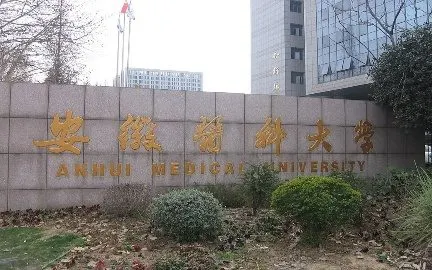
University · Hefei
Language courses · Bachelor's Degree · Master's Degree
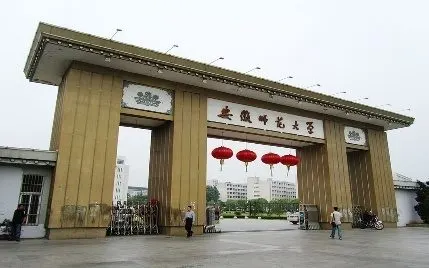
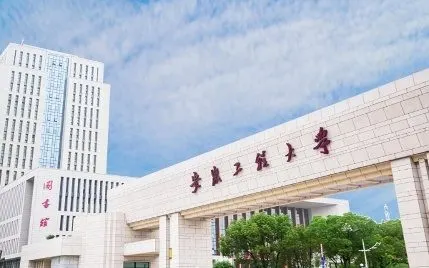
University · Wuhu
Language courses · Bachelor's Degree · Master's Degree
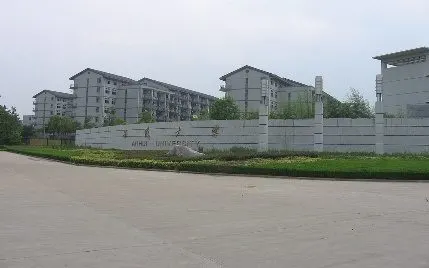
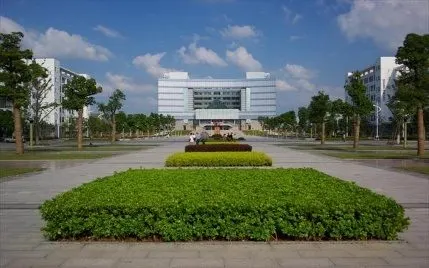

University · Anshan
Language courses · Bachelor's Degree · Master's Degree
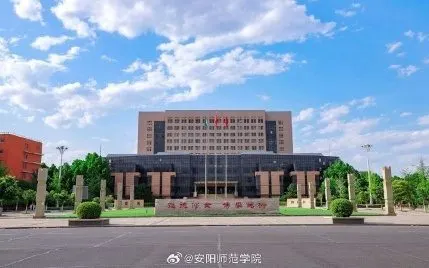
University · Anyang
Language courses · Bachelor's Degree · Master's Degree
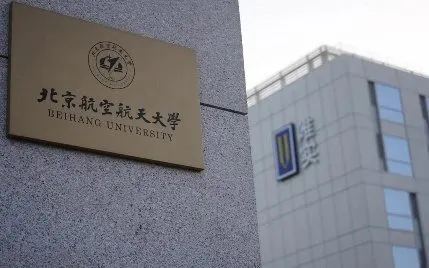
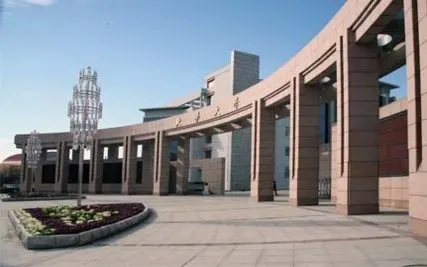
University · Jilin
Language courses · Bachelor's Degree · Master's Degree
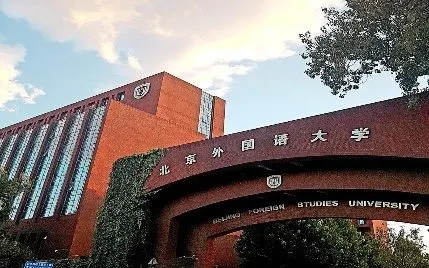
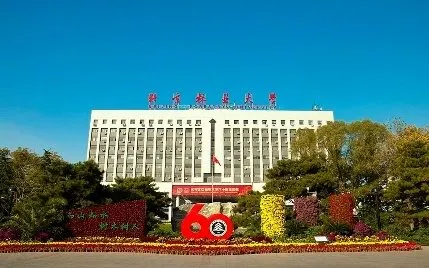
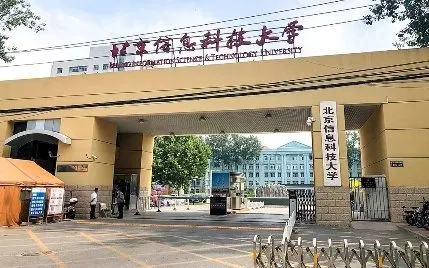
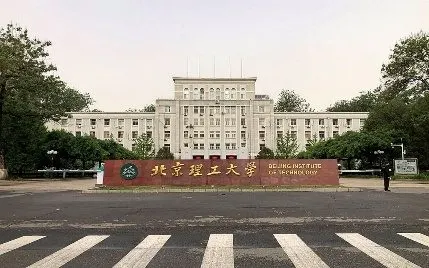
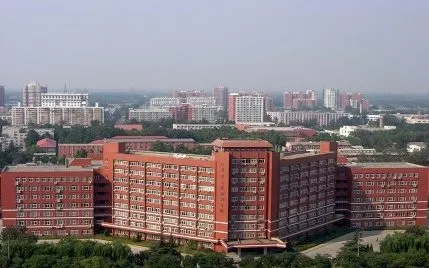
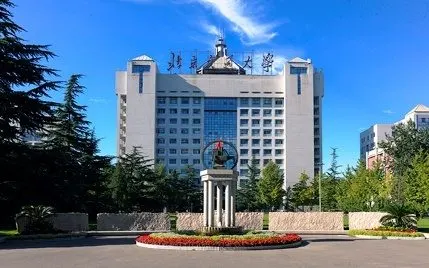
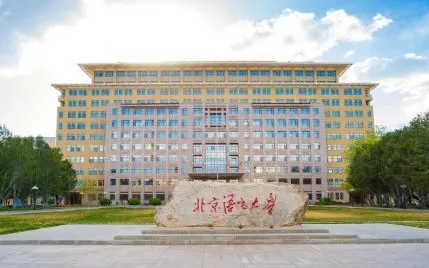
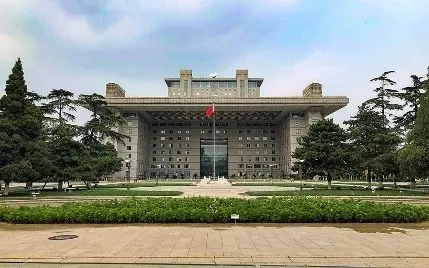
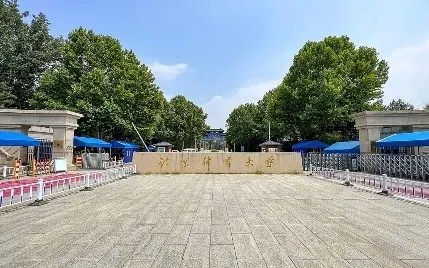

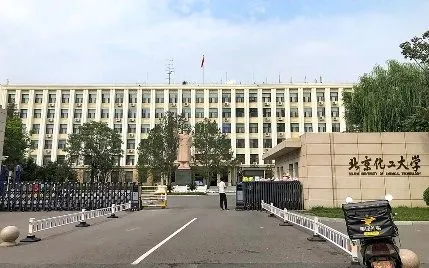
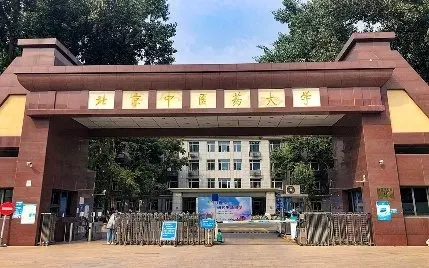
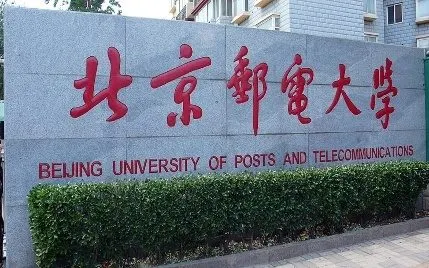
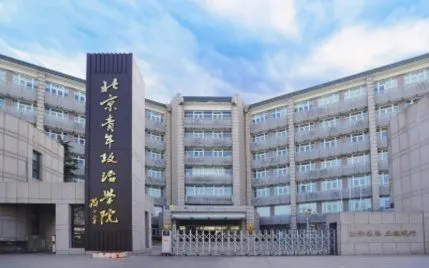
University · Beijing
Language courses · College · Bachelor's Degree
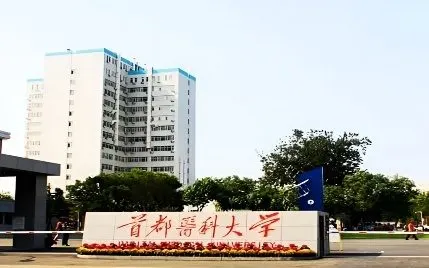

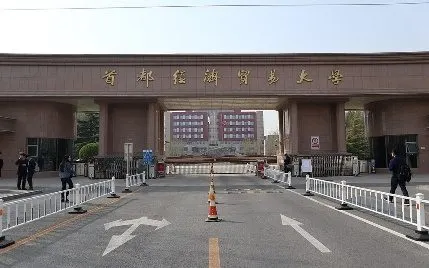
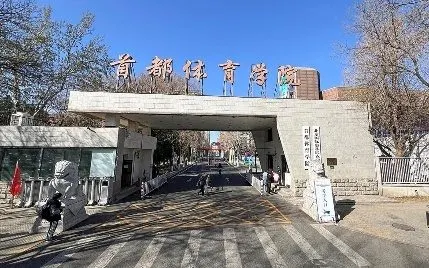
University · Beijing
Language courses · Bachelor's Degree · Master's Degree


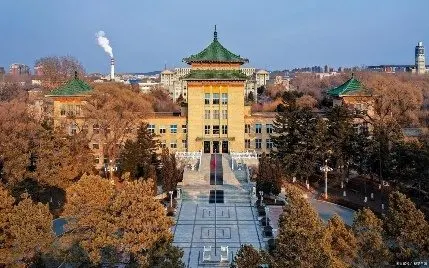
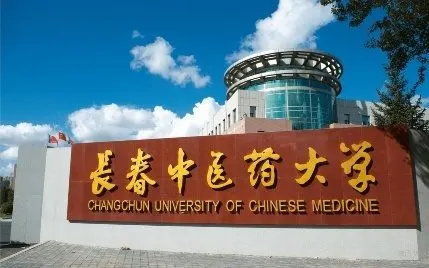
University · Changchun
Language courses · Bachelor's Degree · Master's Degree
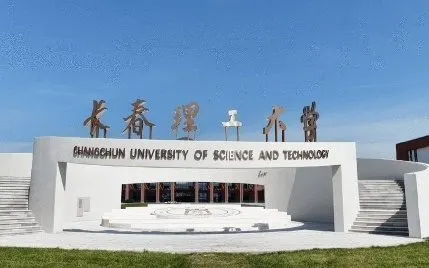
University · Changchun
Language courses · Bachelor's Degree · Master's Degree
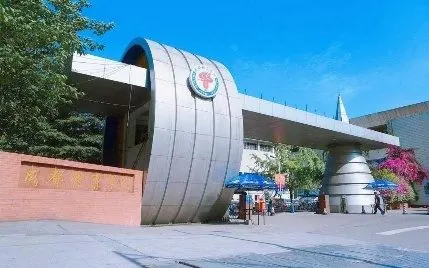
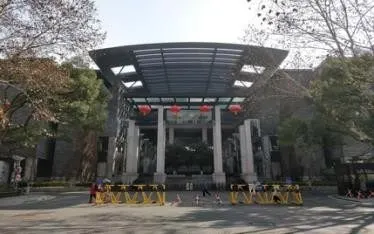
University · Hangzhou
Language courses · Bachelor's Degree · Master's Degree
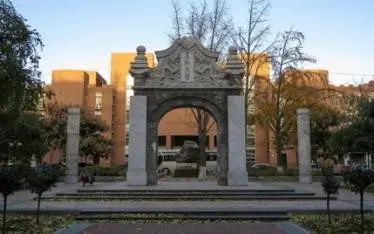
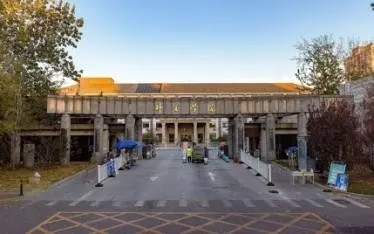
University · Beijing
Language courses · Bachelor's Degree · Master's Degree
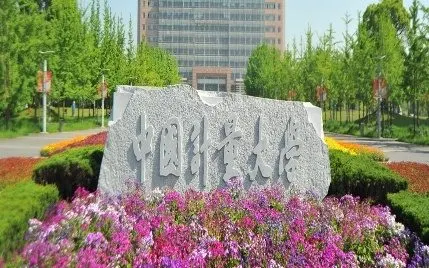

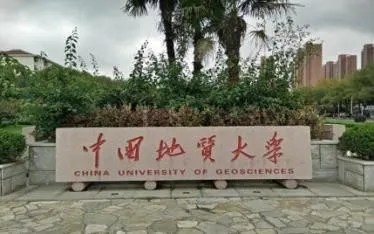
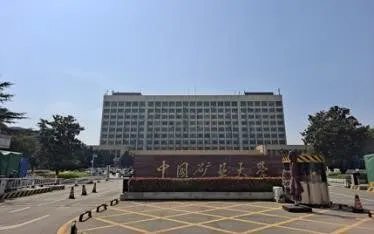
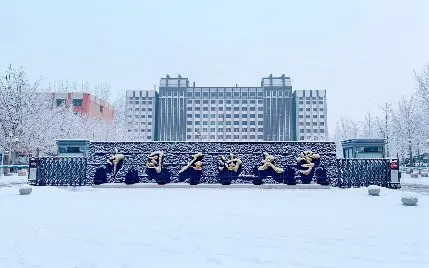
Language courses · Bachelor's Degree · Master's Degree · Doctoral (PhD) Programmes

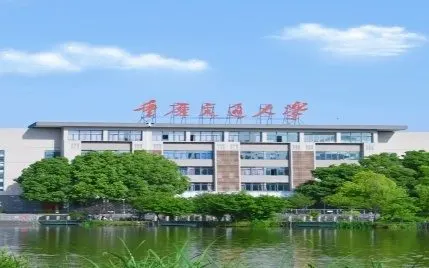
University · Chongqing
Language courses · Bachelor's Degree · Master's Degree
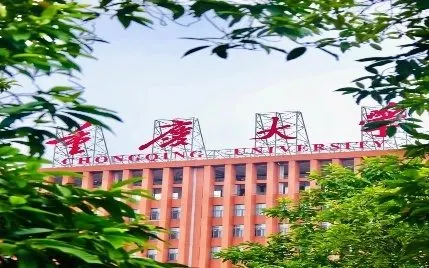
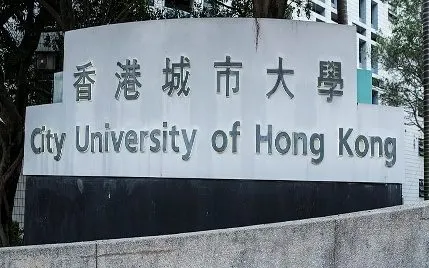
University · Hong Kong
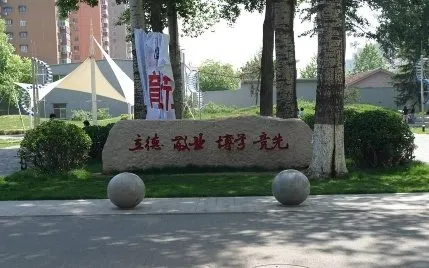
University · Beijing
Language courses · Bachelor's Degree · Master's Degree

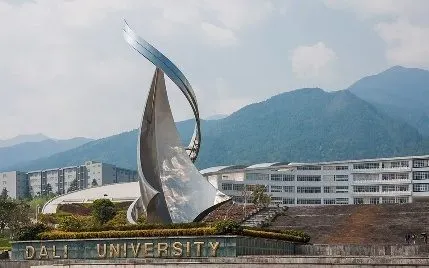
University · Dali
Language courses · Bachelor's Degree · Master's Degree
University · Dalian
Language courses · Bachelor's Degree · Master's Degree
University · Dalian
Language courses · Bachelor's Degree · Master's Degree
University · Dalian
Language courses · Bachelor's Degree · Master's Degree

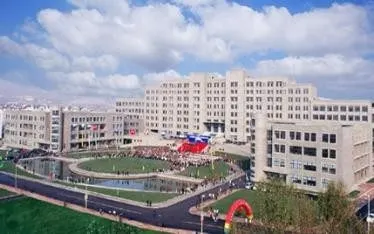
University · Dalian
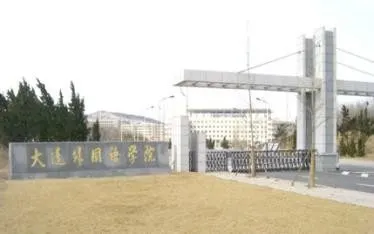
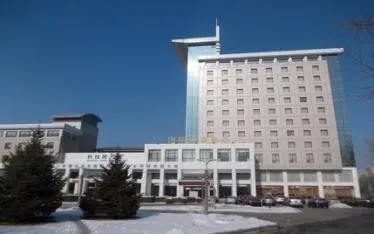
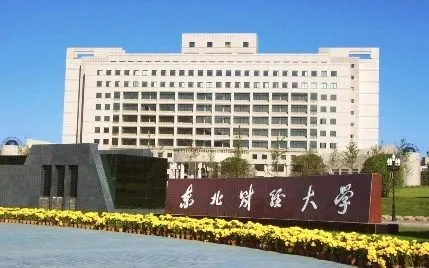
University · Dalian
Language courses · Bachelor's Degree · Master's Degree

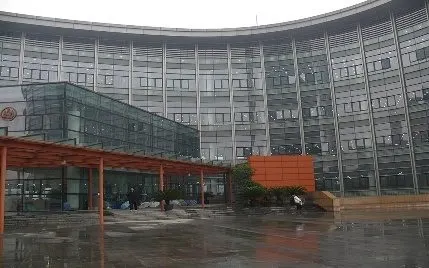
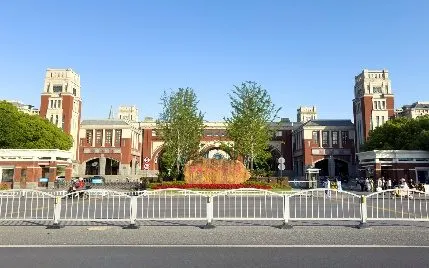
University · Shanghai
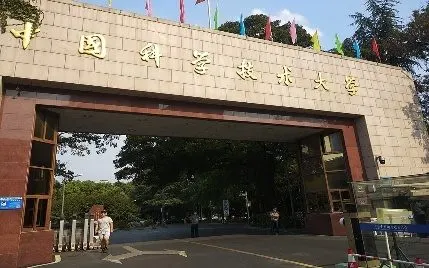
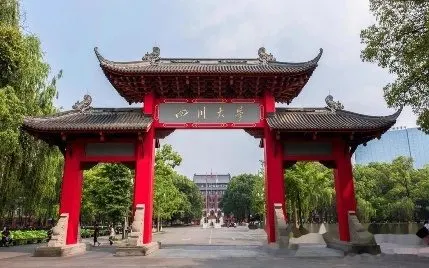
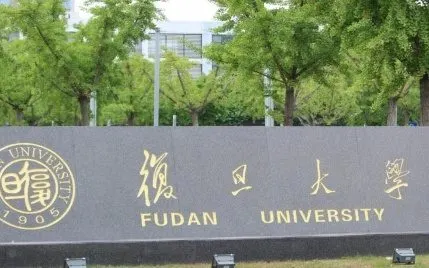
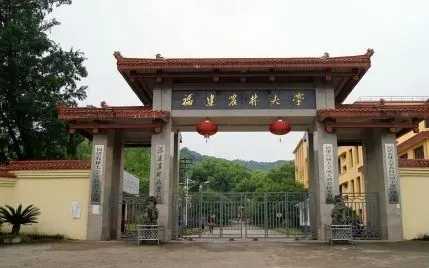
University · Fuzhou
Language courses · Bachelor's Degree · Master's Degree

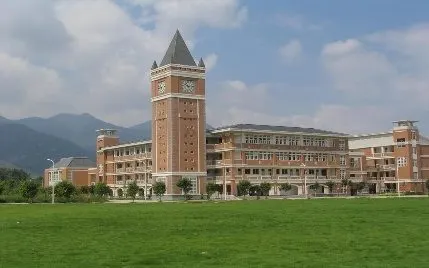
University · Fuzhou
Language courses · Bachelor's Degree · Master's Degree
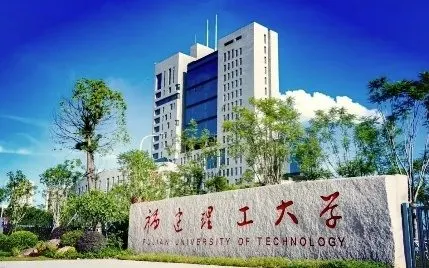
University · Fuzhou
Language courses · Bachelor's Degree · Master's Degree
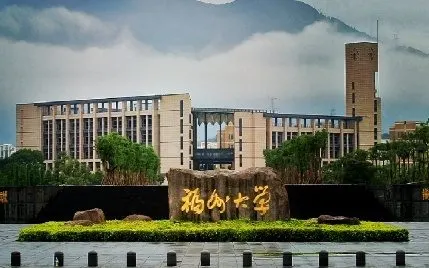
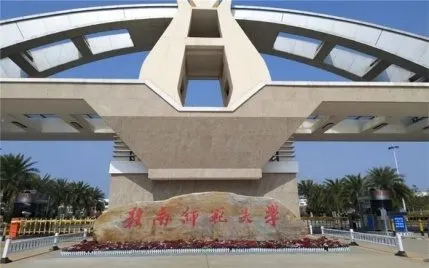
University · Ganzhou
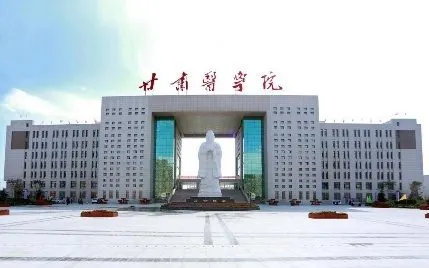
University · Lanzhou
Language courses · Bachelor's Degree · Master's Degree
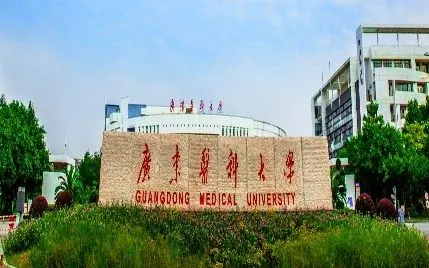
University · Zhanjiang
Language courses · Bachelor's Degree · Master's Degree

University · Guangzhou
Language courses · Bachelor's Degree · Master's Degree
University · Nanning
Language courses · Bachelor's Degree · Master's Degree
University · Guilin
Language courses · Bachelor's Degree · Master's Degree
University · Nanning
Language courses
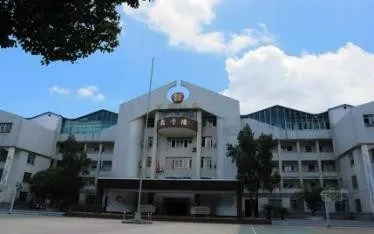
University · Guilin
Language courses · Bachelor's Degree · Master's Degree · Doctoral (PhD) Programmes

University · Guiyang
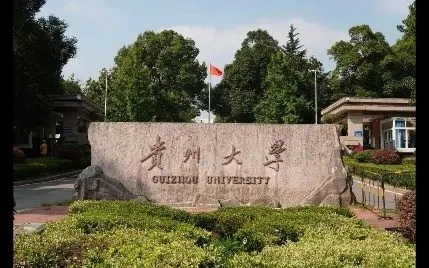
Language courses · Bachelor's Degree · Master's Degree
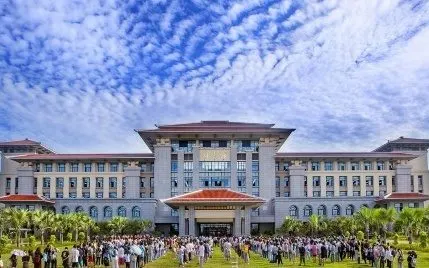
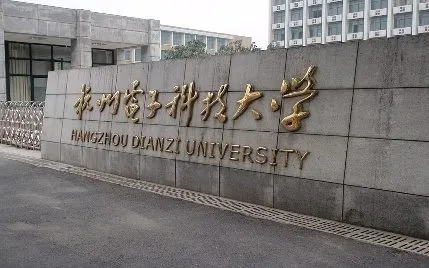

University · Hangzhou
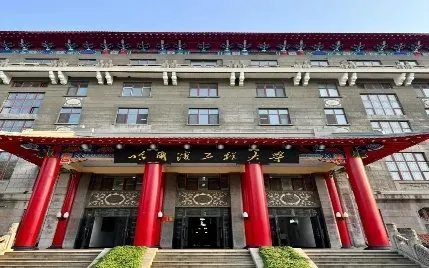

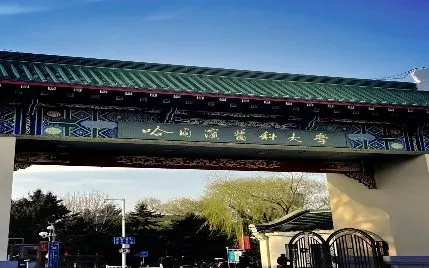
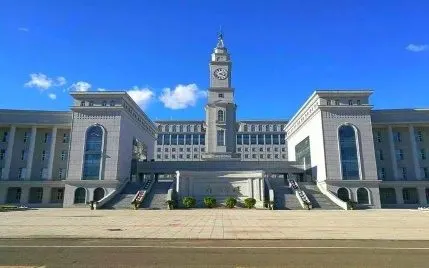
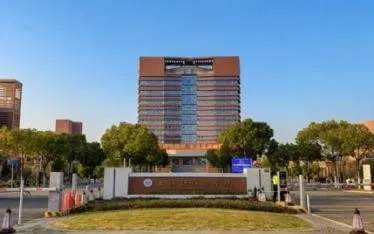
University · Shanghai
Language courses · Bachelor's Degree · Master's Degree
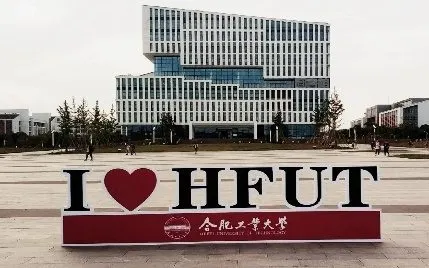
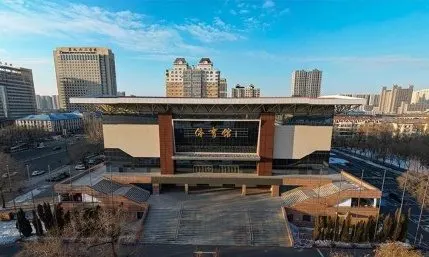
Language courses · Bachelor's Degree · Master's Degree
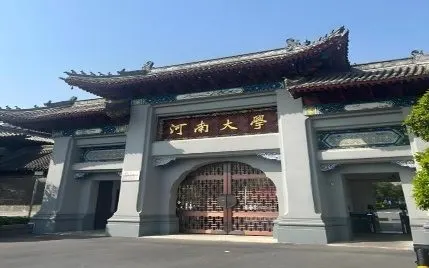
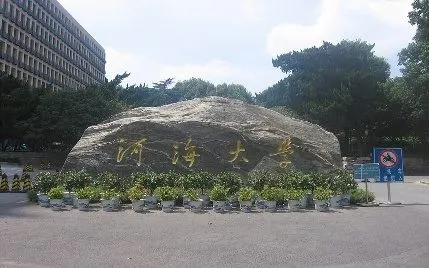

University · Hong Kong

University · Xiamen
Language courses · Bachelor's Degree · Master's Degree
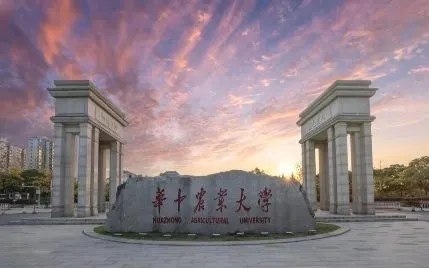
University · Changsha
Language courses · Bachelor's Degree · Master's Degree
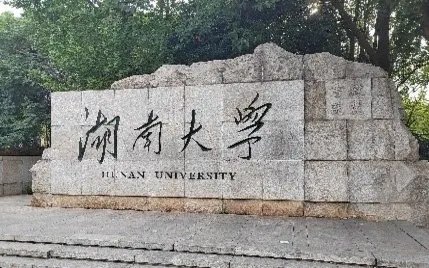

University · Wuhan
Language courses · Bachelor's Degree · Master's Degree
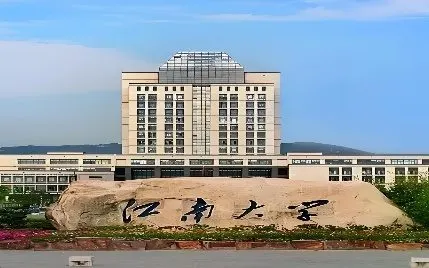
University · Wuxi
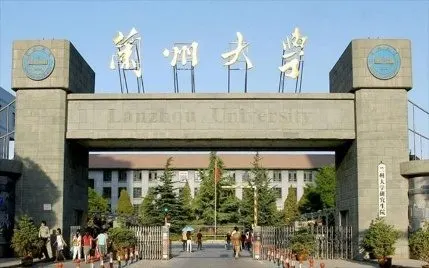
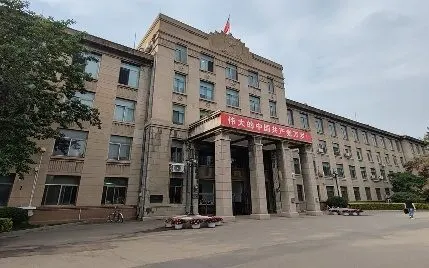
University · Shenyang
Language courses · Bachelor's Degree · Master's Degree
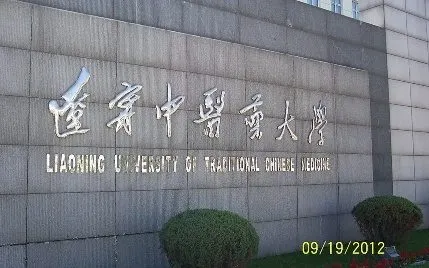
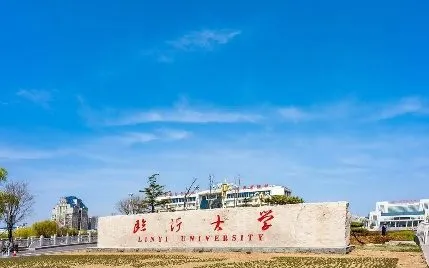
University · Linyi
Language courses · Bachelor's Degree · Master's Degree
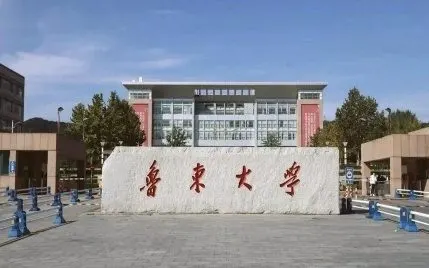

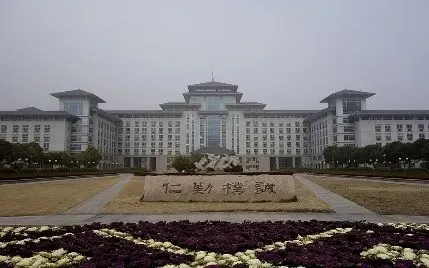
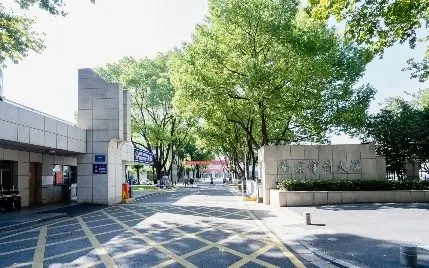
University · Nanjing
Language courses · Bachelor's Degree · Master's Degree
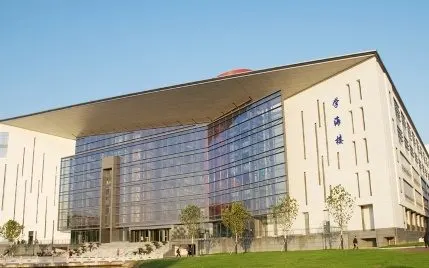
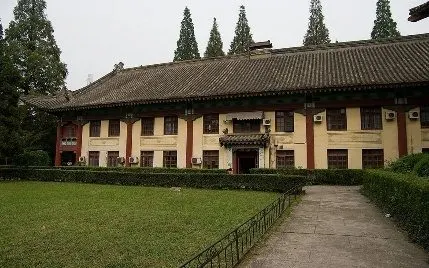
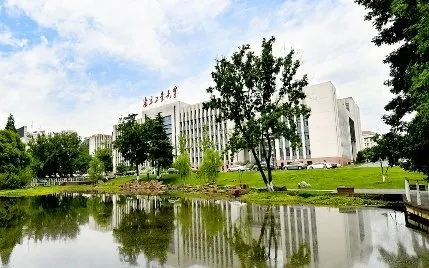
University · Nanjing
Language courses · Bachelor's Degree · Master's Degree
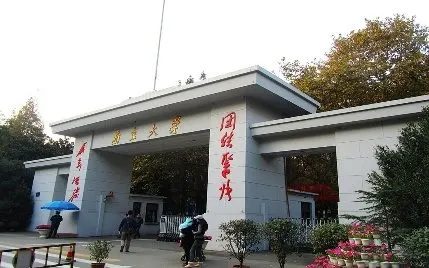
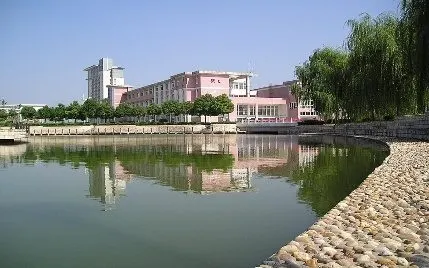
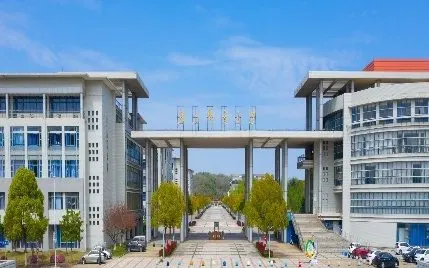
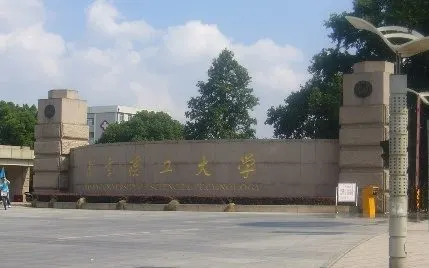
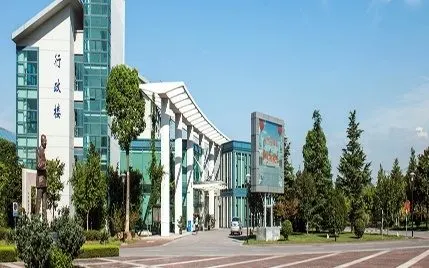

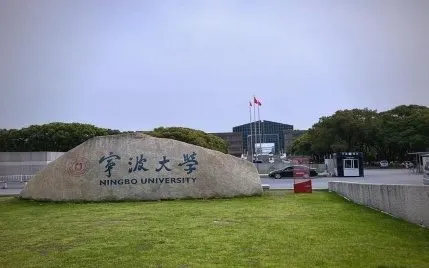
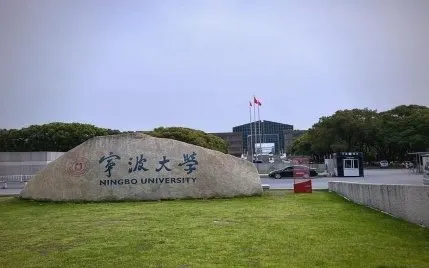
University · Ningbo
Language courses · Bachelor's Degree · Master's Degree
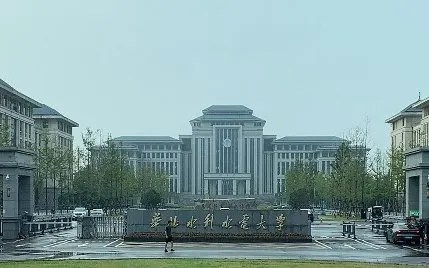

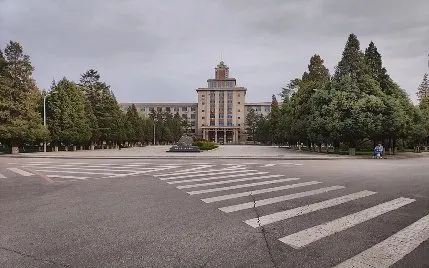
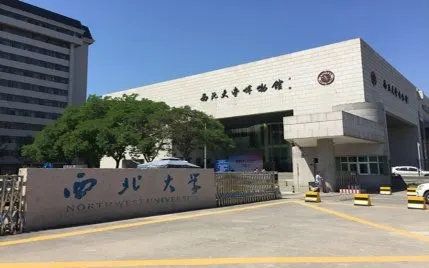

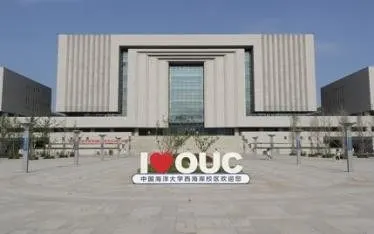
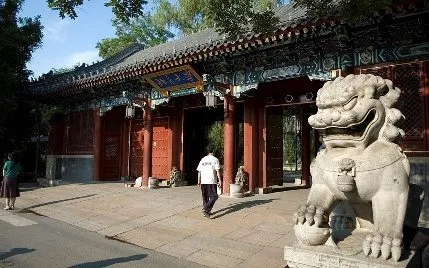

University · Qingdao
Language courses · Bachelor's Degree
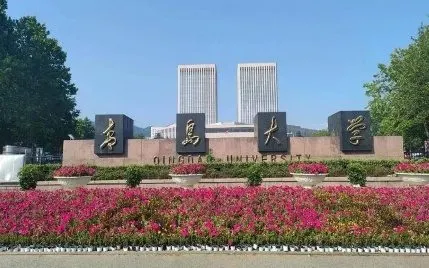
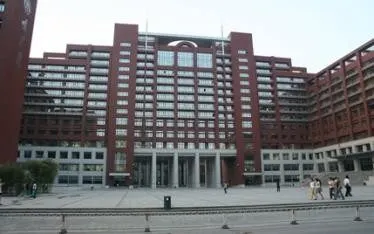
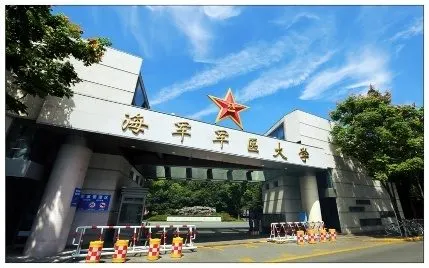
University · Shanghai
Language courses · Bachelor's Degree · Master's Degree
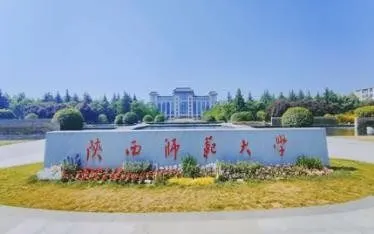
University · Xi'an
Language courses · Bachelor's Degree · Master's Degree
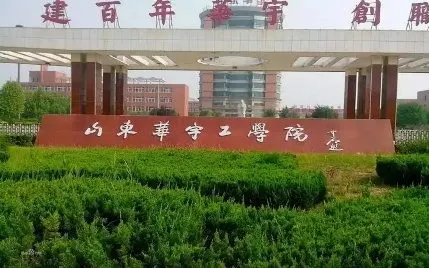
University · Dezhou
Language courses · Bachelor's Degree · Master's Degree
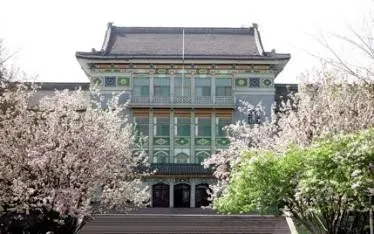
University · Jinan
Language courses · Bachelor's Degree · Master's Degree



University · Shanghai
Language courses · Bachelor's Degree · Master's Degree

University · Shanghai
Language courses · Bachelor's Degree · Master's Degree
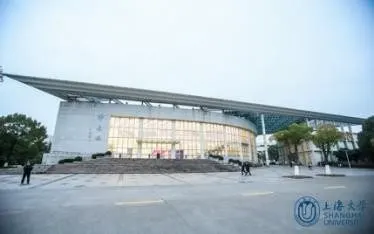
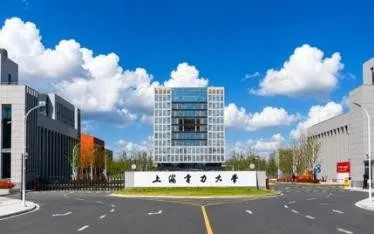
University · Shanghai
Language courses · Bachelor's Degree · Master's Degree
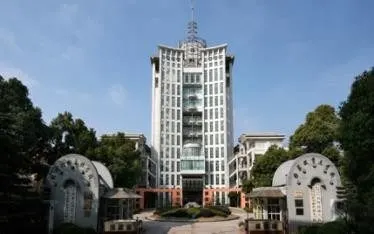
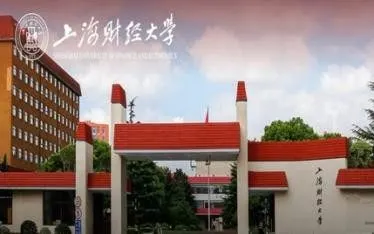
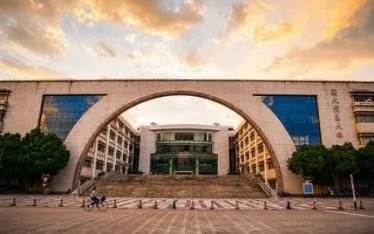
University · Shanghai

University · Shanghai
Language courses · Bachelor's Degree · Master's Degree
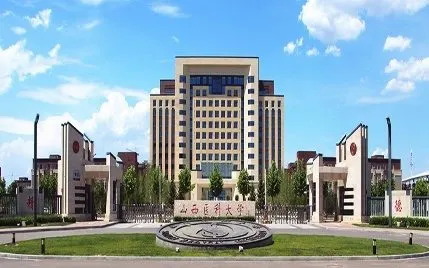
University · Taiyuan
Language courses · Bachelor's Degree · Master's Degree
University · Taiyuan
Language courses · Bachelor's Degree · Master's Degree
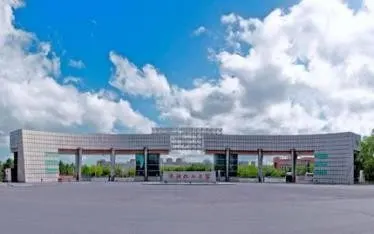
University · Shenyang
Language courses · Bachelor's Degree · Master's Degree
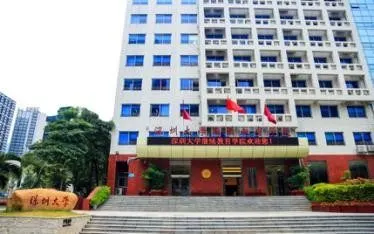

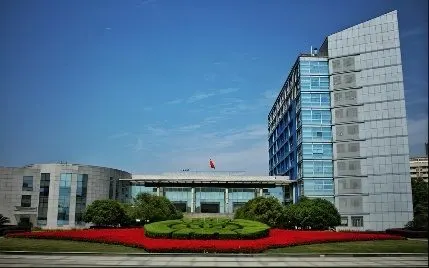
University · Ya'an
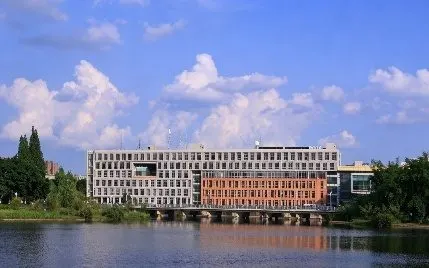
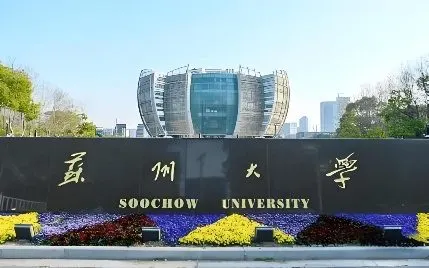
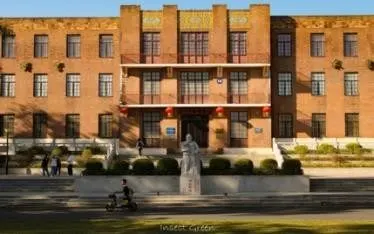
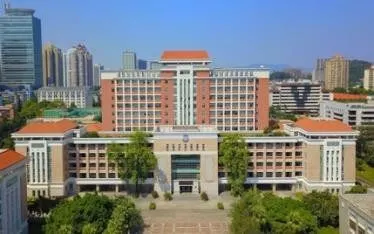
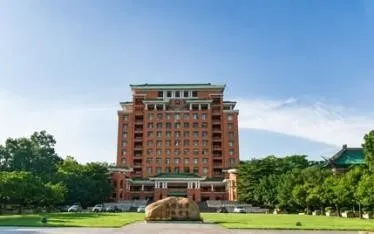

University · Shenzhen
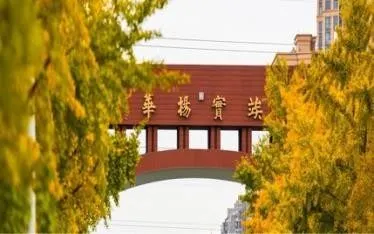

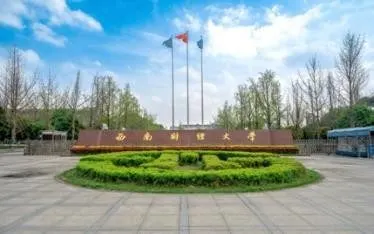
University · Chengdu
Language courses · Bachelor's Degree · Master's Degree

University · Jilin
Language courses · Bachelor's Degree · Master's Degree

University · Tianjin
Language courses · Bachelor's Degree · Master's Degree
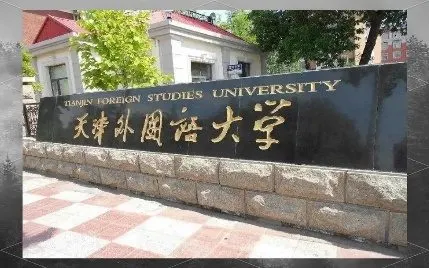
University · Tianjin
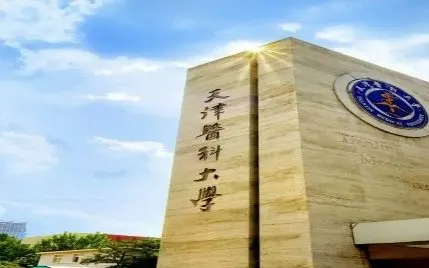
University · Tianjin
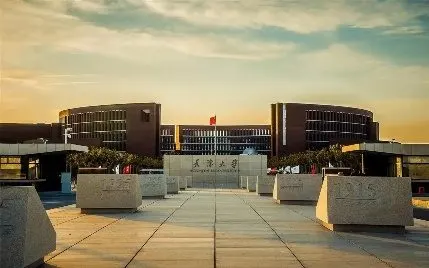
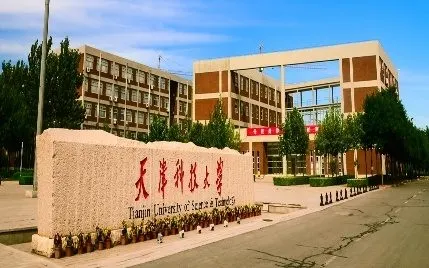
University · Tianjin
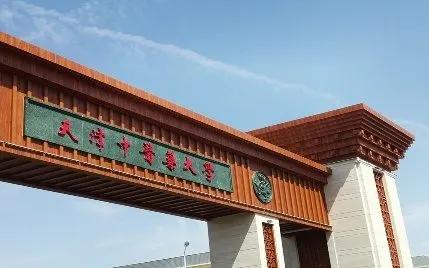
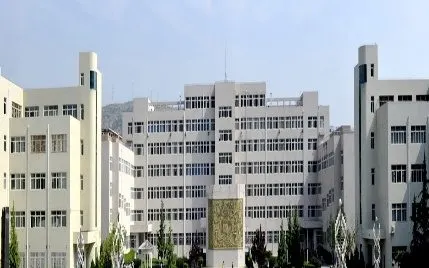
University · Tianshui
Language courses · Bachelor's Degree · Master's Degree
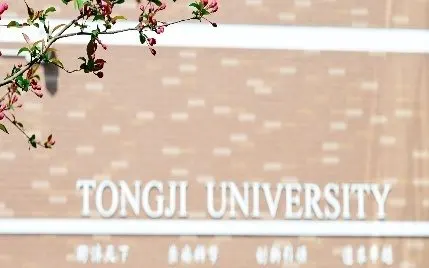
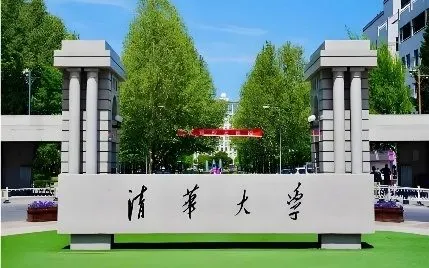
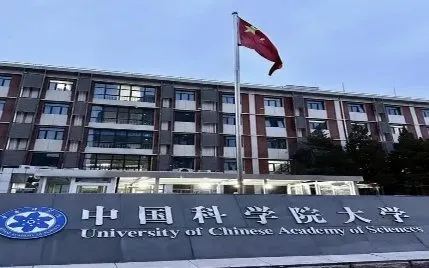
University · Beijing
Language courses · Bachelor's Degree · Master's Degree

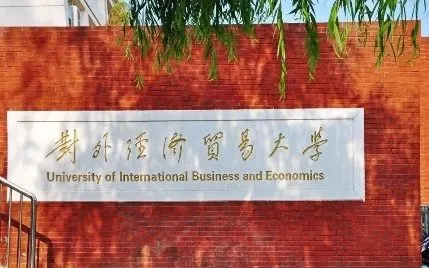
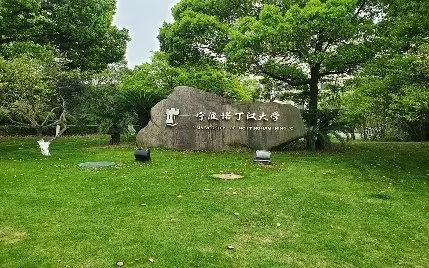
University · Ningbo
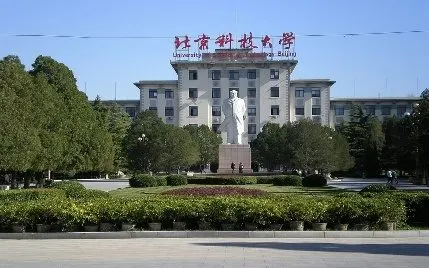
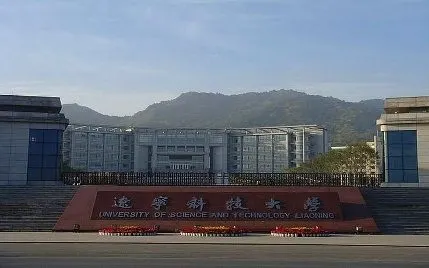
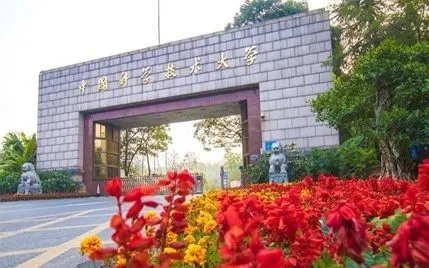
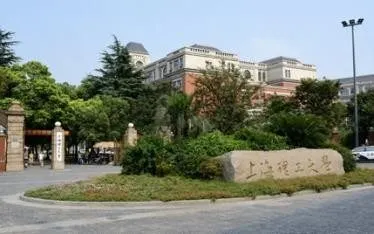
University · Shanghai
Language courses · Bachelor's Degree · Master's Degree

University · Wenzhou
Language courses · Bachelor's Degree · Master's Degree
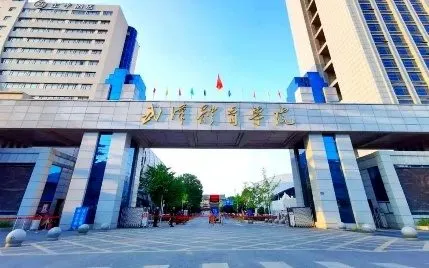
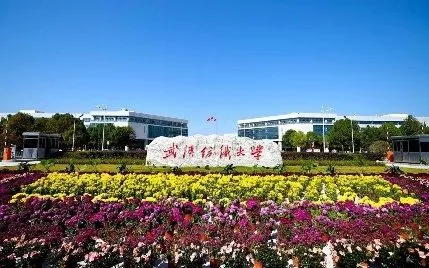
University · Wuhan
Language courses · Bachelor's Degree · Master's Degree
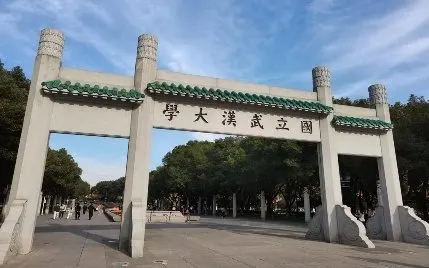
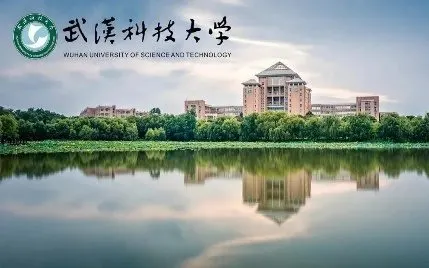

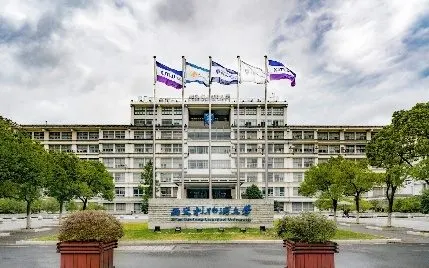
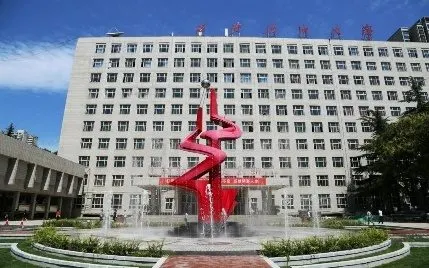
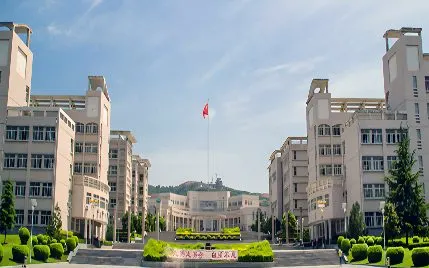
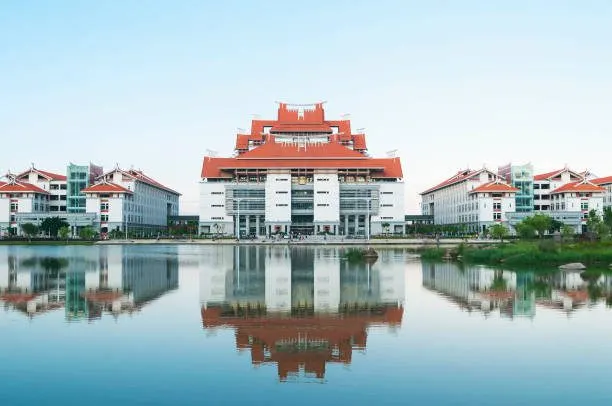
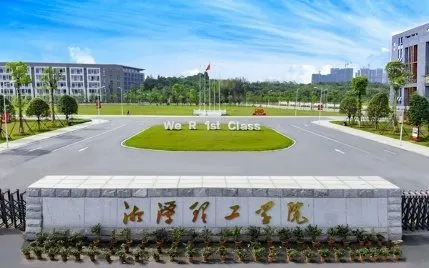
University · Xiangtan
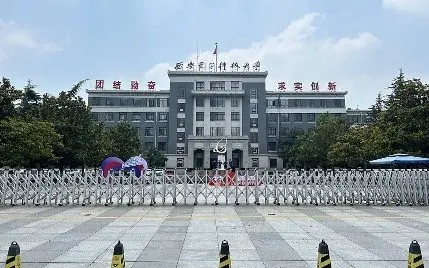

University · Chengdu
Language courses · Bachelor's Degree · Master's Degree
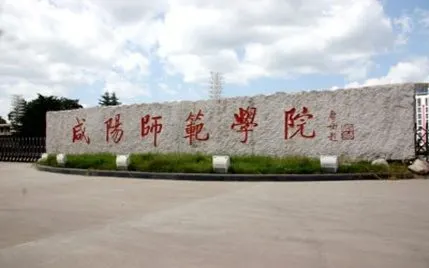
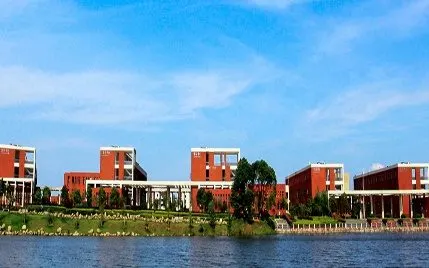
University · Xinyu
Language courses · Bachelor's Degree · Master's Degree
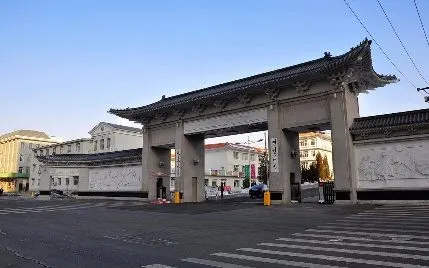
Language courses · Bachelor's Degree · Master's Degree
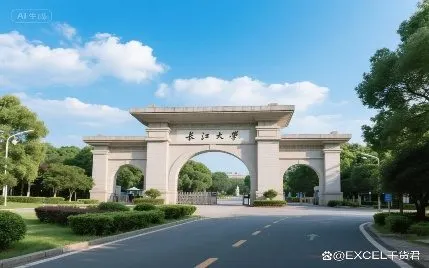
University · Wuhan
University · Yantai
Language courses · Bachelor's Degree · Master's Degree
University · Kunming
Language courses · Bachelor's Degree · Master's Degree
University · Kunming
Language courses · Bachelor's Degree · Master's Degree
University · Kunming
Language courses · Bachelor's Degree · Master's Degree




University · Zhoushan
Language courses · Bachelor's Degree · Master's Degree
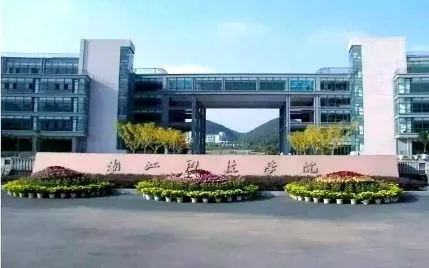
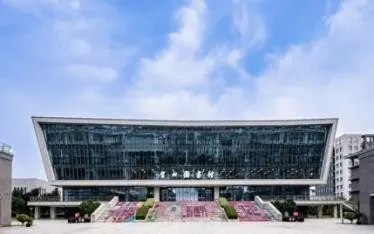
University · Hangzhou
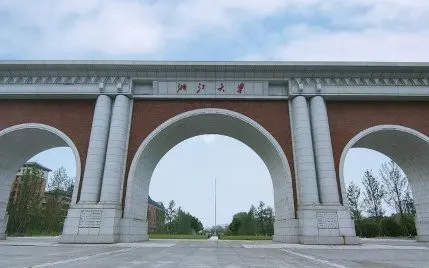
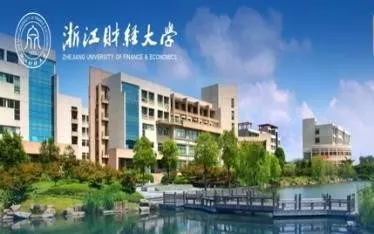
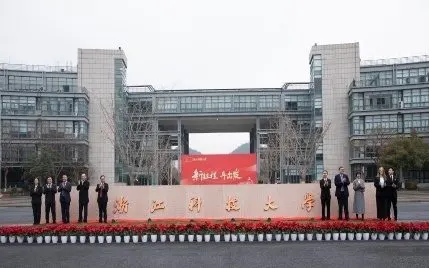
University · Hangzhou
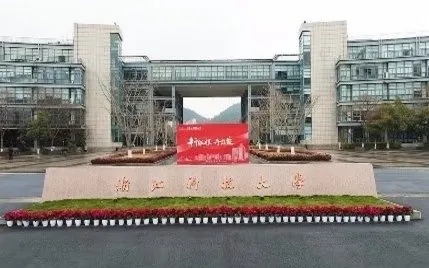

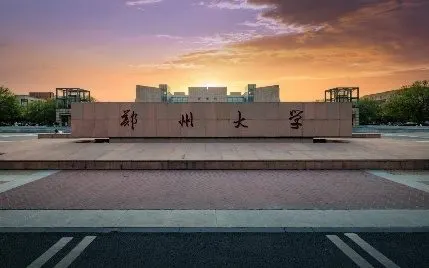
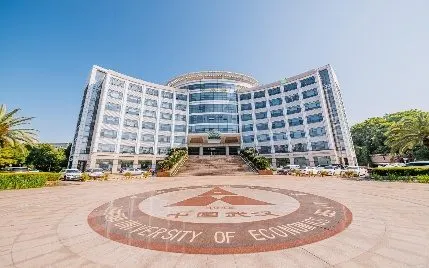
University · Wuhan
College · Wuhu
Language courses · College
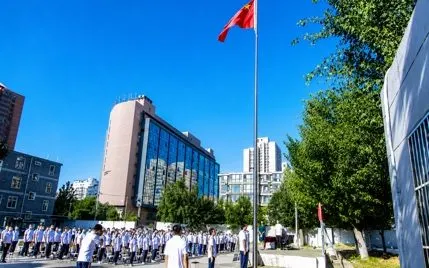
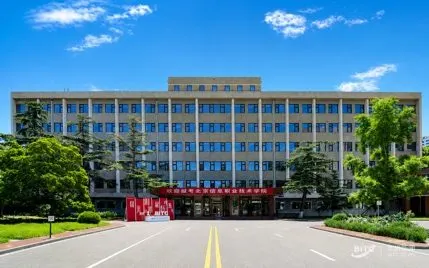
College · Beijing
Language courses · College
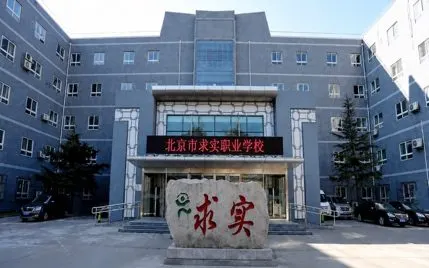
College · Ningbo
Language courses · College
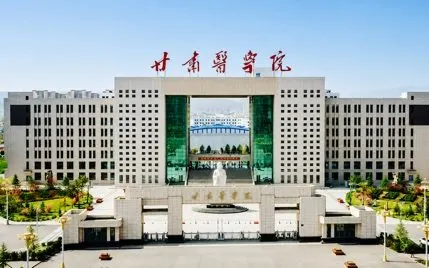
College · Pingliang
Language courses · College
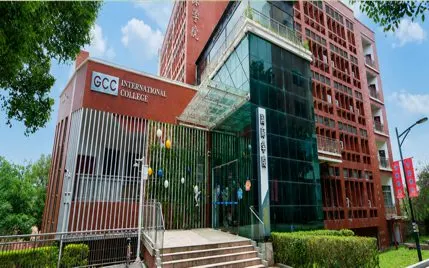
College · Guangzhou
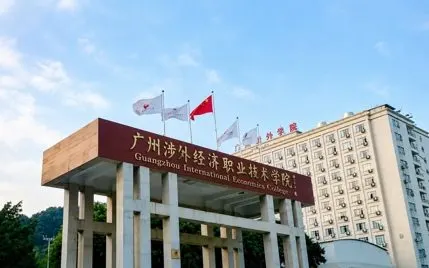
College · Guangzhou
Language courses · College
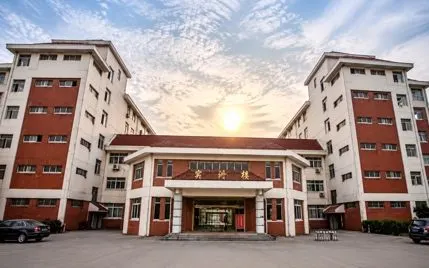
College · Wuxi
Language courses · College
College · Luohe
Language courses · College
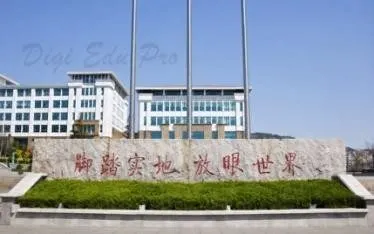
College · Rizhao
Language courses · College
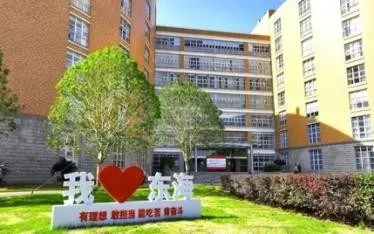
College · Shanghai
Language courses · College
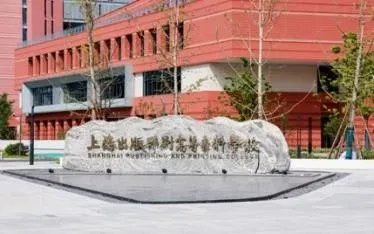
College · Shanghai
College · Hangzhou
College · Chengdu
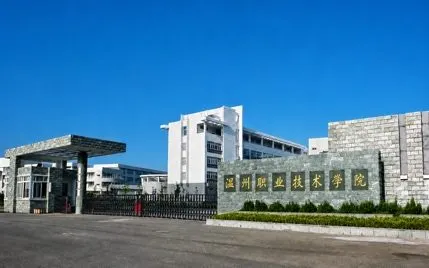
College · Yongzhou
Language courses · College
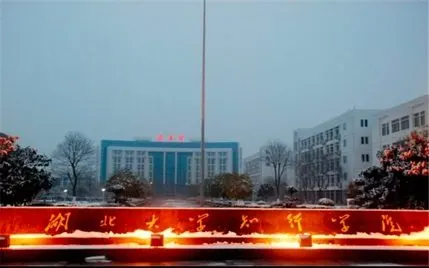
College · Wuhan
Language courses · College
Nothing matches the selected filters. Try changing your criteria or message us — we will find an option for you.
ConsultationInterest in the Chinese language keeps growing around the world: schoolchildren, students and working professionals are learning it, and the number of online platforms and courses keeps rising. But travelling to the country itself is still the most direct path to the living language.
Courses at a university, college or school give you full immersion: in class you work through grammar and vocabulary, and after lessons you put them to use straight away in shops, on public transport and when talking to your neighbours. Many programmes complement study with cultural events — calligraphy lessons, tea ceremonies, trips to the Great Wall.
Knowing Chinese is increasingly becoming a competitive advantage: employers in trade, logistics, IT and tourism are interested in it. The earlier you start systematic study, the more opportunities will open up in your studies and career.
A number of universities allow graduates of their language courses to move on to a bachelor's or master's programme without taking the HSK separately. This saves you time and effort on exam preparation and lets you move smoothly to your main programme.
China has a great many UNESCO World Heritage sites: ancient temples, imperial palaces, gardens and nature reserves. The Great Wall of China is considered one of the New Seven Wonders of the World, and you can see it while you study.
Classes usually take place in small groups, so the teacher has time to work with each student. Group size depends on the school: universities and colleges have larger classes, while private schools sometimes have very small groups, close to one-to-one tuition.
Some school chains with branches in different cities let you spend part of the course in one city and part in another. It is a good way to see several regions and hear how differently Chinese can sound.
A large share of language programmes are run by universities. After completing one, the university often enrols the student on a main programme without an additional HSK exam, which makes admission noticeably easier.
China has many dialects, but courses teach Putonghua — standard Mandarin, which is used by the media, schools and government offices. It is understood in every province, so what you learn will be useful all over the country.
Ancient traditions, monuments from different eras and diverse nature make life in China rich and varied. Studying here becomes not only a language experience but also a great cultural one.
Courses in China are usually more expensive than in some neighbouring Asian countries. The final amount depends on the city, type of school, intensity of the programme and choice of accommodation, so it is best to work out your budget in advance with a consultant.
In class you learn standard Mandarin, but in Shanghai, Guangzhou and some other cities locals often speak their own dialect among themselves. Outside the classroom, understanding people can be tricky at first.
Chinese is considered one of the hardest languages to learn. Becoming fluent takes a lot of time, which means you should plan for a long programme and the corresponding costs of study and living.
The south and east of the country can see typhoons and heavy rain, while the north has dust storms in spring. These are worth bearing in mind when choosing a city to study in.
At universities, fees are usually charged per semester, and the amount depends on the type of programme and the university itself. As a rule, the following formats are offered:
If your budget is limited, it makes sense to look at universities outside the most expensive megacities. For example, in cities like these, study and living costs are usually noticeably easier on the wallet:
At private schools, fees are more often charged per week, and the price is determined by the number of academic hours and the focus of the course. Typical options:
Seasonal language camps are organised in China for children, teenagers and adults — in summer and winter, during the holidays. They are designed for full language immersion in a short time.
The first half of the day is devoted to lessons: groups work on grammar, vocabulary and pronunciation.
After lunch there are trips to the Great Wall, museums and galleries, traditional craft classes and sports.
A seasonal programme lasts from one to several weeks. It usually includes:
University language centres in China offer more options than similar programmes in many other countries. Besides the regular academic course, you can choose:
Some universities accept the certificate from their own language course instead of an HSK result. This means a graduate can start the first year of a bachelor's programme without separately proving their language level.
For programmes taught in Chinese, universities set different minimum HSK levels, sometimes with separate requirements for section scores or an oral interview. As a rough guide:
Private language schools accept students all year round: beginner groups start regularly, and students with some experience can join a suitable group almost any Monday.
Universities enrol in two rounds — for the autumn and spring semesters:
Before paying, read the refund and rescheduling terms carefully. Some schools charge a fee for moving the start date, while others keep the registration fee or part of the course fee if you cancel.
The city affects what kind of speech you will hear every day. To learn Putonghua in its most universal form, people usually choose Beijing or Shanghai. If you are interested in Cantonese, it makes more sense to go to Guangzhou or Hong Kong.
Language schools give you more freedom in building your programme: there are electives, dedicated HSK preparation, business Chinese and one-to-one lessons. Groups here are usually small.
University courses are longer — from a semester to a year — and focus on the language and preparation for admission. Groups are larger, and some universities also run family summer camps and calligraphy lessons.
Whichever format you choose, the programme covers the main aspects of the language:
After arrival, students take a placement test, and based on the results they are placed in a group of the right level. At some schools you can take this test online before you travel.
Your knowledge is checked regularly throughout the course:
In many programmes, extracurricular events are built right into the timetable:
All of this takes place in Chinese, so every outing or workshop becomes extra language practice in a relaxed setting.
Your choice of housing affects both your budget and how quickly you get used to the language. People usually choose from four options:
Suits those who want to speak Chinese not only in class but also at home. The price usually includes a room and two meals a day.
Most schools and universities offer places in an on-site dormitory. It makes getting to class easy, and it is easy to make friends among other international students.
If your programme lasts six months or longer, renting may work out cheaper, especially if you share the flat with others.
Besides the course fee, you should budget for related expenses. Their amount depends on your country of departure, the school and the services you choose:
Students with an X-category visa may work part-time in China, but only after obtaining official permission through their school and the immigration authorities.
Part-time work helps in several ways at once:
An education hub. The capital is home to a great many universities, including Peking University and Tsinghua University, which are well known far beyond China.
Model pronunciation. Beijing speech formed the basis of Putonghua, so students easily understand people in the street and in shops.
Deep history. People lived on the site of Beijing in ancient times, and today it is the country's main political, cultural and scientific centre.
A mix of eras. Traditional neighbourhoods and temples sit side by side with mid-twentieth-century buildings and modern business districts.
The business capital. Shanghai is China's main financial and economic centre and is often compared with London and New York.
The old town. Yuyuan Garden, with its pavilions, bridges and ponds, recalls what Shanghai was like long before the skyscrapers.
Nature nearby. At the city zoo you can see the giant panda and other rare Asian animals.
Universities for international students. Shanghai has many universities with programmes for international students, including dual-degree options.
Centuries of history. Guangzhou is one of the oldest cities in southern China and a long-standing trading port linked to the Maritime Silk Road.
Two languages in daily use. The city used to be called Canton, and locals speak both Putonghua and Cantonese — you can get to know both.
What to see. The Five Goats sculpture, linked to the legend of the city's founding, and the TV tower with an observation deck above the Pearl River.
Moderate costs. Living here is usually cheaper than in Beijing and Shanghai, which helps if your budget is limited.
Famous gardens. The Classical Gardens of Suzhou — the Humble Administrator's Garden, the Lion Grove Garden and others — are on the UNESCO World Heritage List.
A city of canals. Rivers and canals run through Suzhou, including the Grand Canal, and old stone bridges have survived to this day.
Language programmes. Soochow University offers a range of language courses and helps graduates move on to the next levels of study.
Close to Shanghai. A high-speed train gets you to Shanghai quickly, so you can live in a calm historic city while enjoying the opportunities of a megacity.
Come for a face-to-face meeting: together we will go through the requirements, deadlines, documents and study options that suit you.

At the meeting we will look at your situation, tell you which documents to prepare and by when, talk about possible programmes and help you decide on the next step.
You work with Nihao Study specialists. They will help you put together a portfolio and a set of documents, draw up a study plan and choose a university or college and a specialty that genuinely interest you.
We take care of every stage of admission, from choosing to enrolment
We will gather, prepare, certify and send your documents to the institution
We will show the admissions committee your strengths
We run training sessions and courses so you can prepare with more confidence
We will help you settle in at the start of your studies and keep moving forward
Nihao Study specialists select universities and colleges that match the applicant's goals and means. We make sure the teachers are practitioners and that the knowledge will be useful in your profession.
We examine curricula, talk to students and teachers and look at which specialties employers need, and use this information to select options for the applicant.
Advisers guide the applicant from the first consultation to enrolment, help build a plan and spot mistakes in time that could get in the way.
The cost of our support depends on the programme and the partner university; you'll get an exact quote after a free consultation.
Get a quoteA free 15-minute consultation: together we will choose a university or college and a programme that suit your goals and budget.
Apply with peace of mind: we handle the documents, deadlines and correspondence with admissions committees, and you save time and energy.
Don't want to wait for a call? Message us in the chat.
Message us in chat