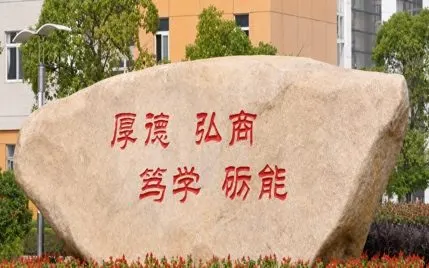
Anhui Business College of Vocational Technology
College · Wuhu
Language courses · College
A Chinese college lets you start vocational education right after grade 9, without waiting to finish school. No knowledge of Chinese is required for admission, and you can gain a practical specialty in 3 years and then continue towards a bachelor's degree. On this page we explain how colleges in China work, why they suit applicants from Uzbekistan, which cities international students study in, how to apply, what programmes and scholarships are available and where graduates go next — and we answer frequently asked questions.
Here you'll find colleges and programmes that admit international applicants. For each institution we list the levels of study, language, duration and upcoming start dates, and Nihao Study consultants will tell you where to begin with your documents.
The catalogue lists 24 schools in 16: levels — College, Language courses, Bachelor's, Master's; languages of instruction — Chinese, English.
College · Wuhu
Language courses · College
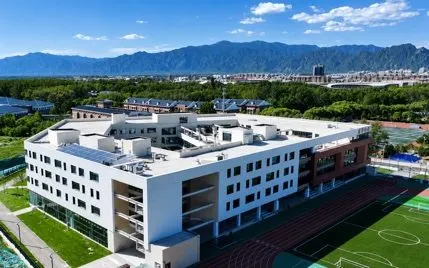
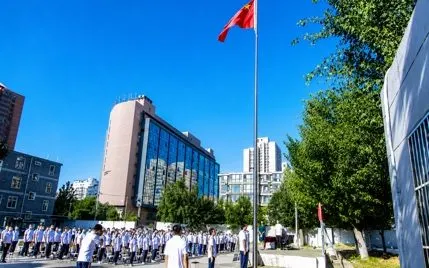
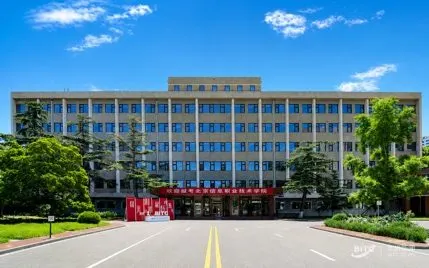
College · Beijing
Language courses · College
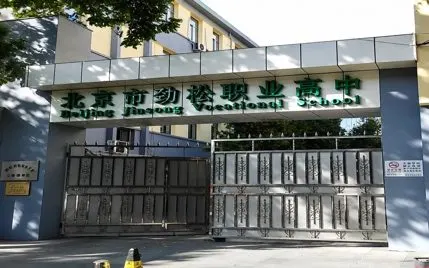
College
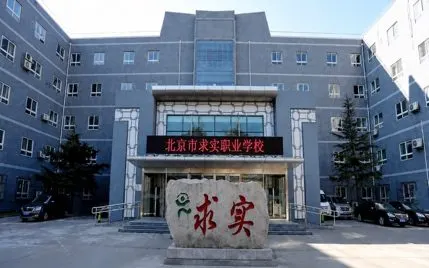
College · Ningbo
Language courses · College
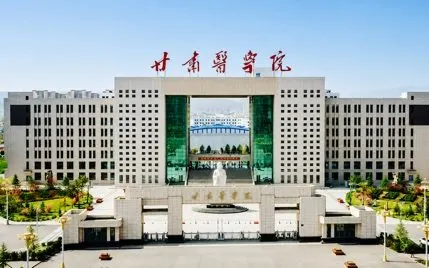
College · Pingliang
Language courses · College
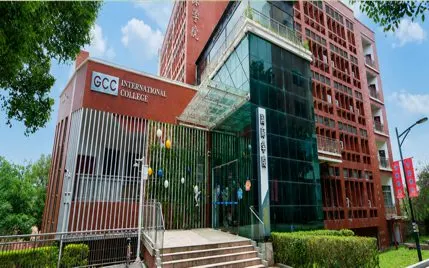
College · Guangzhou
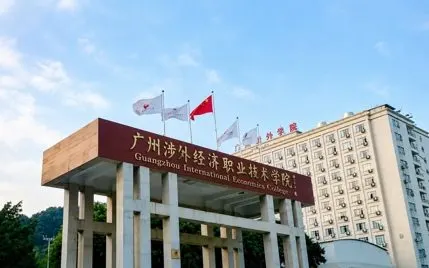
College · Guangzhou
Language courses · College

College · Heilongjiang
College · Bachelor's Degree
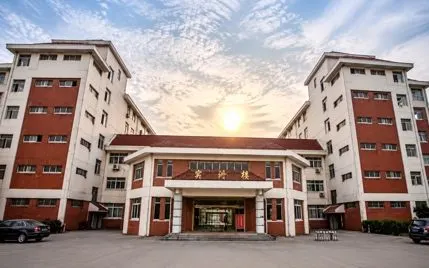
College · Wuxi
Language courses · College
College · Luohe
Language courses · College
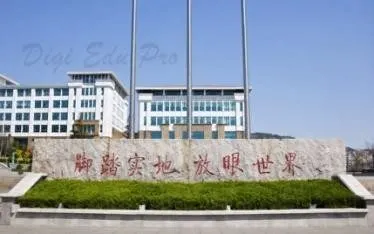
College · Rizhao
Language courses · College
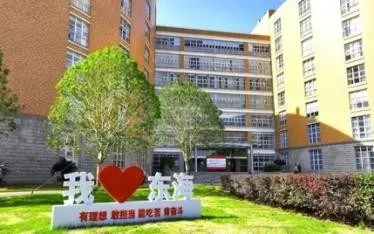
College · Shanghai
Language courses · College
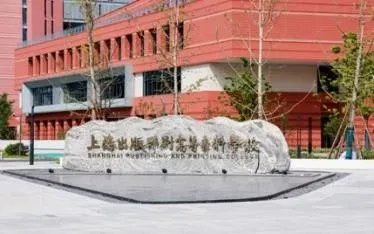
College · Shanghai
College · Hangzhou
College · Chengdu
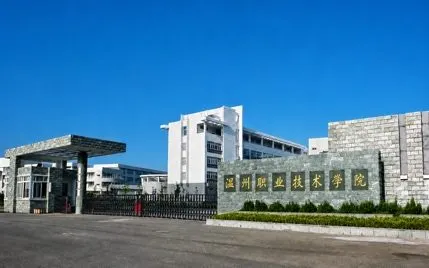
College · Yongzhou
Language courses · College
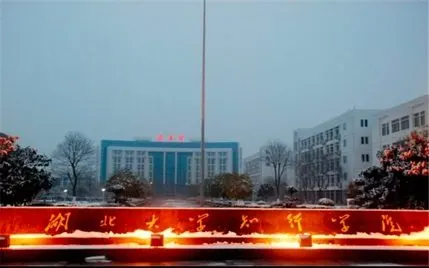
College · Wuhan
Language courses · College
Nothing matches the selected filters. Try changing your criteria or message us — we will find an option for you.
ConsultationA college in China is a vocational and technical school, similar in spirit to colleges and technical schools back home. Unlike a university, you can enrol straight after grade 9, that is, after completing compulsory basic schooling. For an international student, this means there's no need to stay on until grade 11: vocational training in China can start a couple of years earlier.
You don't need to speak Chinese at the time of admission either. The first year is devoted to an intensive language course, followed by two years of study in the chosen profession. On completion, international students receive a Chinese diploma of secondary vocational education.
Colleges open to international students can be found across the country — in huge megacities and in cities with centuries of history. These are the cities applicants choose most often:
International students also study in many other cities — Nanjing, Tianjin, Shenzhen, Chongqing, Harbin and more. You can choose a bustling megacity or a quieter, smaller city: suitable college programmes can be found in both.
You need to have completed basic school education — a certificate of completion of grade 9 or grade 11. You can apply from the age of 15, that is, after grade 9; some colleges admit older students (16–17 and above), especially for programmes that require complete secondary education.
Chinese is not required: almost all programmes are designed for beginners and include a preparatory language year. As a rule, there are no entrance exams — neither HSK nor school leaving tests are required at this stage. The decision is based on your school certificate, so your grades and carefully prepared documents matter.
Below is a typical set of documents for admission and the subsequent student visa application:
The main intake is for the autumn semester, with classes starting in September. Applications are usually accepted from spring until mid-summer of the same year, so it's best not to leave it until the last minute. Some colleges also have a spring intake with studies starting in March — in that case documents are submitted towards the end of the previous year. Exact deadlines depend on the college, and you should allow time to obtain a visa.
Most first-year college students are teenagers aged 15–17, and under Chinese rules they need a guardian for the duration of their studies. Usually this role is taken on by a college staff member — a supervisor or teacher — and the parents sign a notarised agreement with them. The procedure is standard: the college sends the necessary paperwork itself and is responsible for the student's accommodation and safety until they come of age.
International students start from scratch: the first year is entirely devoted to Chinese, and at the same time students adapt to the new system. Then specialist subjects begin — also in Chinese. Many colleges continue to help with the language: extra classes, electives and mentors from among Chinese students.
There are few English-taught programmes at college level, so be prepared in advance to study in Chinese. The upside is that by graduation you'll be fluent in the language both in everyday life and in your profession.
The standard programme lasts 3 years: the first is preparatory (language and adaptation), the second and third are vocational training. There are also longer options: for example, after 3 years of college you can move on to a bachelor's programme at the same university and study for another 2 years. Graduates receive a Chinese state diploma of secondary vocational education.
The college routine is closer to school than to university: classes every day, lectures in the morning, and independent work and practice in the afternoon until evening. Besides lectures, there are many seminars, group projects and practical assignments, and some colleges organise work placements and internships at companies in the relevant field.
Chinese colleges offer a wide choice — from engineering to creative professions. International students most often choose these fields:
Colleges also teach law, education and early childhood education, nursing (at colleges affiliated with medical universities), Chinese and English translation and much more. You can find a suitable programme for almost any interest.
A common question is whether you can study in China for free or at a discount. There are many scholarships for international students in the country, but the main government programmes focus on universities — bachelor's, master's and doctoral programmes. Colleges are a different case, yet partial and sometimes even full funding is achievable.
The CSC scholarship is awarded by the China Scholarship Council. It is usually intended for bachelor's and higher levels, as well as for a preparatory language year, and covers tuition, a dormitory place and a monthly living allowance. It's difficult for a college student to get a CSC scholarship: there's a chance only if the programme is linked to a university that takes part in the government scholarship programme. So for college it makes more sense to look at other types of support.
Many institutions reduce fees for international students themselves. There are no separate government scholarships specifically for colleges, so colleges interested in international students offer reduced terms through partner programmes — these are discussed individually via the admissions office or official partners. If the college is part of a university, students may also have access to university scholarships: a partial tuition waiver or one-off grants for good academic performance.
A number of regions have their own programmes for international students — scholarships from the governments of Beijing, Shanghai, Liaoning Province, the city of Ningbo and others. As a rule, they are intended for universities, but sometimes a college student can apply too, especially if they plan to continue studying at a local university. These grants are more often partial — for example, covering tuition only.
Scholarships can be full or partial. A full scholarship covers tuition, dormitory and medical insurance, and usually includes a monthly allowance for food and personal expenses. A partial one covers one item or part of it — for example, only tuition or only accommodation. For college, it's more realistic to count on a partial scholarship; full coverage is also possible, but competition for such places is high. Either way, even a partial grant noticeably eases the family's expenses.
Requirements for candidates are similar everywhere: good grades on your school certificate, motivation and recommendation letters. Language certificates (HSK, IELTS) and other achievements — olympiads, volunteering — improve your chances. At the same time, you don't need to know Chinese in advance or take the Chinese gaokao exam; the key is to submit a complete set of documents on time.
Scholarship applications are accepted earlier than regular admission: for CSC at the beginning of the year, for university and regional grants in spring. So it's best to start preparing six months or more before studies begin. Information about scholarships is published by colleges and universities, and Nihao Study consultants will help you find your way. Places are limited, so it makes sense to apply for several options at once.
A graduate of a Chinese college receives a diploma of secondary vocational education — the equivalent of a college or technical school diploma back home. From there, there are two paths: continue studying or start working. Many choose university: under an agreement between the college and the university, you can be admitted directly to the third year of a bachelor's programme and earn the degree in another 2 years. Studying will be easier — you already know the language and are familiar with the basics of your specialty.
On the other hand, college gives you an applied profession, and starting work right after graduation is realistic. An IT specialist who speaks Chinese is needed by international companies — in China, in Uzbekistan and in other countries. Tourism and hospitality graduates find jobs at hotels and travel agencies that serve Chinese guests, and international trade specialists at companies doing business with China. Employers value the combination of a profession, the language and an understanding of Chinese business culture.
Bear in mind: to be officially employed in China itself, a foreigner usually needs a bachelor's degree — without one it's hard to get a work visa. That's why those who want to build a career in China more often continue their studies. Straight after college, you can gain experience through internships or as an assistant, interpreter or technician. If you plan to work or study back home, check in advance with the relevant authority about the recognition of Chinese diplomas in Uzbekistan — the procedure may change.
By the time you graduate from college you'll be around 18–19 years old: you'll already have a profession, fluent Chinese, your native language and possibly English, plus experience of living abroad. This lets you enter the job market earlier than your peers — or calmly continue your education.
Graduates of Chinese colleges work at international companies, start their own businesses, and become interpreters, engineers and IT specialists — it all depends on the chosen profession. Studying in China develops flexibility and the ability to communicate with people from different cultures, and over the years of study you build a network that helps with your job search. Many go on from college to a Chinese university and, with a bachelor's degree, build careers in China or at joint companies. College becomes a solid foundation — both for higher education and for a China-related profession.
Yes. Chinese is not among the admission requirements for college. The first year for international students is preparatory: the language is studied from scratch and intensively, so by the time specialist subjects begin, your level is enough to study. An HSK certificate is not needed for admission. At the start, some programmes provide help in English, but Chinese is introduced gradually, and after a couple of semesters students usually understand lectures confidently. By graduation, most speak fluently and pass higher HSK levels.
There are funding options: government, university and regional scholarships, as well as reduced terms from the colleges themselves. A well-known option is the Chinese Government Scholarship (CSC): it covers tuition, dormitory and a monthly allowance, but is usually awarded for bachelor's level and above, so it's not easy for a college student to get. More often, colleges reduce fees themselves through partner programmes, and some cities and provinces offer their own scholarships. Completely free college study is possible but rare — it's more realistic to count on a partial grant. You need to apply early, usually in spring, and the decision is based on academic performance and achievements; knowing Chinese in advance is not required.
College is usually noticeably cheaper than a university programme. The total is made up of tuition, dormitory (paid separately), insurance and living expenses, and depends on the city: Beijing and Shanghai are more expensive, smaller provincial cities are cheaper. Colleges' partner terms and scholarships can reduce costs, and some packages already include accommodation and insurance. Everyday student life in China is generally inexpensive. A Nihao Study consultant will give you the current cost for a specific college.
Yes, and many do. A college graduate is entitled to continue studying, and if there is an agreement between the college and the university, they may be admitted directly to the third year in the same specialty — for example, from a college international business programme to a bachelor's in business. In that case you can earn a bachelor's degree in another 2 years: 3 years of college plus 2 years of university. Usually a good grade point average and a recommendation from the college are required; Chinese students take a separate exam for this transfer, but conditions for international students are often simpler. If you apply later or to a different university, you may need entrance exams or HSK — but a graduate who speaks Chinese and has study experience in China is still at an advantage.
The main package is as follows: a grade 9 completion certificate or a certificate of complete secondary education, translated into English or Chinese and notarised; a copy of the first page of your international passport, valid for the period of study; several colour 3×4 photos on a white background; an application form in English or Chinese in the college's format; sometimes one or two recommendation letters from teachers, especially when applying for a scholarship; a medical examination form for foreigners and insurance valid in China; the Admission Notice and JW202 form from the college for the visa; proof of funding (bank statement, tuition payment or scholarship); for minors, notarised parental consent for a guardian in China. Sometimes a vaccination certificate is requested. Requirements differ from college to college, so check the final list with a consultant.
As a rule, no. International students are admitted to Chinese colleges based on their documents: it's enough to meet the requirements for age, education and health. You don't need to take the Chinese gaokao or internal subject exams, and your language level isn't tested at admission either. The admissions committee looks at the grades on your school certificate, so a very low grade point average may be an obstacle. Sometimes a short online interview is held to get to know you and understand your motivation. The final admission decision is always made by the college itself.
The choice is very wide. Popular options among international students include IT and computer technology (programming, app development, networking), business and economics (international trade, accounting, finance, marketing), hotel management and tourism (hotels, service, restaurant management, culinary arts), design and art (graphic design, fashion, animation, multimedia), engineering (electrical engineering, mechanical engineering, construction, automation), as well as languages and teaching. There are also more specialised fields: nursing, basic law, music and dance, sports management, logistics, veterinary science. Choose based on your interests and on which programmes are open to international students — a consultant can help you with this.
Yes, international college students usually live in an on-campus dormitory, often in a separate building or on a separate floor. A room is typically shared by two (less often three or four) and has a bed, wardrobe and desk, often air conditioning and a private bathroom with a shower. Dormitories are separate for young men and women, entry is by electronic card, there is a curfew, and the grounds are guarded and covered by CCTV. The campus has a canteen, a laundry and sports grounds. Payment is usually monthly or per semester and depends on the city. If needed, some colleges help students find housing off campus, but most students live in the dormitory — it is convenient and helps you settle into student life faster.
Only with restrictions. A student visa does not give you the right to full-time employment. Part-time work or a paid internship is possible only with the consent of your school and the local immigration authority: once approved, a corresponding note is added to your residence permit. Working without such permission violates visa rules and can lead to serious problems. Besides, college studies are intensive, with classes from morning till evening, so in the first years it is better to focus on your studies and the language. Later, once you have settled in, you can look for an internship — sometimes the college helps with this itself. Before taking any part-time job, be sure to consult the college's international office.
A Chinese secondary vocational diploma is an official state document, and you can use it to continue your studies or work outside China. For the diploma to be valid in Uzbekistan, you usually go through a recognition procedure (nostrification) with the authorised education body; it is best to check the procedure and the list of documents with that agency in advance, as the rules may change. After recognition, you can apply to university or work in your field. Besides the diploma itself, you will have fluent Chinese and experience of living abroad — something employers in many countries value. If you also earn a bachelor's degree in China, the procedure for it is similar. If you have any questions about a specific programme, message the Nihao Study consultants.
Come for a face-to-face meeting: together we will go through the requirements, deadlines, documents and study options that suit you.

At the meeting we will look at your situation, tell you which documents to prepare and by when, talk about possible programmes and help you decide on the next step.
You work with Nihao Study specialists. They will help you put together a portfolio and a set of documents, draw up a study plan and choose a university or college and a specialty that genuinely interest you.
We take care of every stage of admission, from choosing to enrolment
We will gather, prepare, certify and send your documents to the institution
We will show the admissions committee your strengths
We run training sessions and courses so you can prepare with more confidence
We will help you settle in at the start of your studies and keep moving forward
Nihao Study specialists select universities and colleges that match the applicant's goals and means. We make sure the teachers are practitioners and that the knowledge will be useful in your profession.
We examine curricula, talk to students and teachers and look at which specialties employers need, and use this information to select options for the applicant.
Advisers guide the applicant from the first consultation to enrolment, help build a plan and spot mistakes in time that could get in the way.
The cost of our support depends on the programme and the partner university; you'll get an exact quote after a free consultation.
Get a quoteA free 15-minute consultation: together we will choose a university or college and a programme that suit your goals and budget.
Apply with peace of mind: we handle the documents, deadlines and correspondence with admissions committees, and you save time and energy.
Don't want to wait for a call? Message us in the chat.
Message us in chat