
- Language courses
- English
- Bachelor's Degree
- English
- Master's Degree
- English
- Accommodation from 3 000 ¥/semester
SICNU · 四川师范大学
Sichuan Normal University accepts international students on programmes in the following fields: business, engineering, medicine, education, economics. Choose the level and programme that suit your goals.
Chinese language study at the university — from a few weeks to a year or longer. Suitable for those starting from scratch or preparing for the HSK before entering a main programme.
self-funded · language programme
The first level of higher education: usually four years of study, specialised subjects, internships and a graduation thesis. It opens the way to working in your field and to a master's degree.
self-funded
Advanced study after a bachelor's degree: research, applied projects and internships. It helps you become an expert in your chosen field and broaden your career opportunities.
self-funded
Sichuan Normal University is located in Chengdu. Nihao Study consultants keep track of the deadlines and admission requirements of this university, and you can always check the most accurate and up-to-date information on its official website.
Come for a face-to-face meeting: together we will go through the requirements, deadlines, documents and study options that suit you.

At the meeting we will look at your situation, tell you which documents to prepare and by when, talk about possible programmes and help you decide on the next step.
Sichuan Normal University (SICNU) is the oldest teacher-training university in south-west China and one of the region's notable universities in this field. It is located in Chengdu, a city famous for its pandas and Sichuan cuisine. Thousands of international students come here every year, drawn by strong humanities programmes, moderate tuition fees and a wide choice of scholarships.
SICNU is a key provincial-level university. It is a good fit for those planning to study Chinese language, education, art or economics.
An interesting detail: UNESCO has recognised Chengdu as a world capital of gastronomy. So, besides lectures, students can get to know the culture of Sichuan cuisine.
More than 40,000 students study at SICNU. It offers bachelor's, master's and doctoral programmes.
The list of all colleges is published in the faculties section of the official website.
Most applicants aim to be admitted on a scholarship. SICNU offers several types of financial support.
This is a full scholarship: it pays for tuition, accommodation and insurance and also includes a monthly stipend.
SICNU is a normal (teacher-training) university, so its CIS quotas are substantial. This option is a good fit for those studying Chinese.
It is awarded to attract talented international students.
This is a special scholarship from the Chengdu city authorities for students from countries taking part in the Belt and Road Initiative, including Central Asian states.
In addition, it is worth budgeting for extra costs: the registration fee and annual insurance. Check their current amounts on the university's official website.
International students have separate dormitories (International Students Dormitory), equipped specifically for them.
Note: Lion Hill (Shizishan) campus is closer to the centre of Chengdu. Chenglong is a new, modern campus in the suburbs, home to the engineering and natural science faculties.
Applying for either self-funded study or a scholarship requires a standard set of documents. Each one is translated into English or Chinese and notarised.
The full list is given on the page of the chosen programme.
Bachelor's programmes usually require HSK 4 with at least 180 points. Master's programmes require HSK 5. No HSK certificate is needed for language courses.
With an X1 student visa you cannot legally work without the university's permission. However, internships approved by the university are possible.
Competition here is moderate: getting a scholarship is easier than at Beijing's leading universities. With a good grade point average and a high HSK level, your chances of success are high.
Chengdu (成都) is the capital of Sichuan Province. The city is known for its giant panda breeding centre and its fiery Sichuan cuisine. Today it is growing fast as the technology hub of western China, and students from all over Asia come here to study.
Chengdu attracts students with good education, moderate prices and a relaxed, comfortable pace of life. Public transport is well developed (the metro has 13 lines), there are many parks and teahouses, and the climate is mild, with no severe frosts. Parents like that this calm city has everything needed: it is safe, there are modern hospitals, direct flights leave from the international airport, and student life is well organised, with dormitories and support services.
You work with Nihao Study specialists. They will help you put together a portfolio and a set of documents, draw up a study plan and choose a university or college and a specialty that genuinely interest you.
We take care of every stage of admission, from choosing to enrolment
We will gather, prepare, certify and send your documents to the institution
We will show the admissions committee your strengths
We run training sessions and courses so you can prepare with more confidence
We will help you settle in at the start of your studies and keep moving forward
Nihao Study specialists select universities and colleges that match the applicant's goals and means. We make sure the teachers are practitioners and that the knowledge will be useful in your profession.
We examine curricula, talk to students and teachers and look at which specialties employers need, and use this information to select options for the applicant.
Advisers guide the applicant from the first consultation to enrolment, help build a plan and spot mistakes in time that could get in the way.
The cost of our support depends on the programme and the partner university; you'll get an exact quote after a free consultation.
Get a quoteA free 15-minute consultation: together we will choose a university or college and a programme that suit your goals and budget.
Apply with peace of mind: we handle the documents, deadlines and correspondence with admissions committees, and you save time and energy.
Don't want to wait for a call? Message us in the chat.
Message us in chat 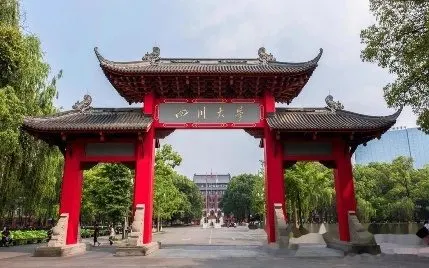

University · Ya'an